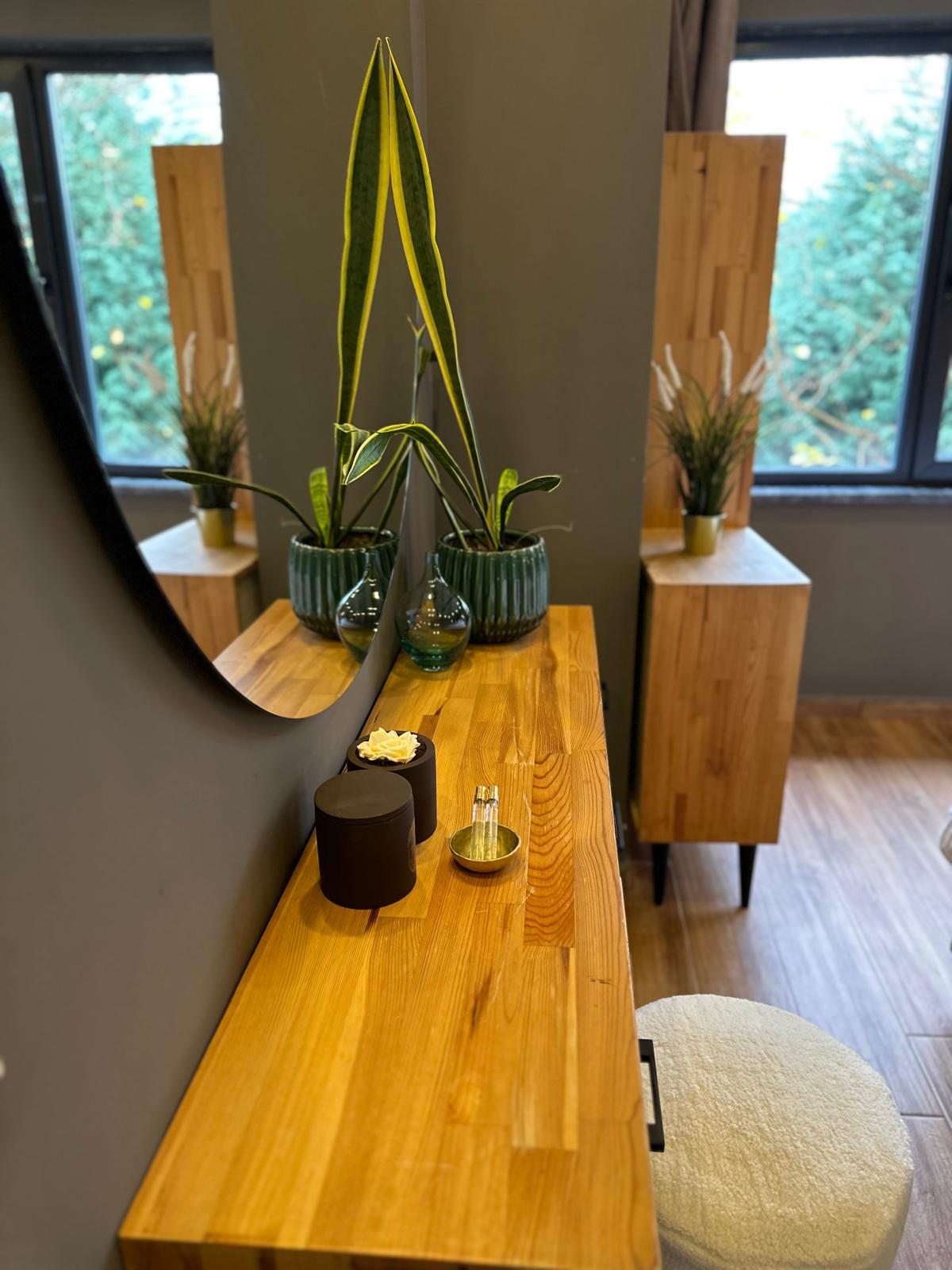
Rooms are not experienced equally.
A bedroom feels different from an entryway, a living room carries a different tone than a workspace. While layout and light play a role, scent is often the element that quietly defines how a room is meant to be felt.
Fragrance does not simply add atmosphere; it gives direction. It signals whether a space invites rest, focus, connection, or transition. Without us noticing, scent helps the body understand what is expected in a particular room.
When fragrance aligns with a room’s emotional purpose, the space feels coherent. When it doesn’t, even a well-designed room can feel confusing or unsettled.
Scent works through association. Over time, the body learns to connect certain fragrances with specific states of being. This is why a room can feel calming or energizing before we consciously register why.
In entryways, fragrance often acts as a threshold. Light, clean scents help mark the transition from outside to inside, signaling arrival and grounding. This subtle shift helps the nervous system release external stimulation.
Living spaces benefit from balance. Scents that feel too heavy can make gathering areas feel stagnant, while overly fresh notes may prevent relaxation. Soft, neutral fragrances allow connection and conversation to unfold naturally.
Bedrooms respond strongly to familiarity. Repeated use of gentle, comforting scents helps the body associate the space with rest and emotional safety. Over time, this consistency supports deeper relaxation without effort.
Work or creative areas often benefit from clarity rather than calm. Light, breathable fragrances help maintain focus without overstimulation, allowing mental energy to remain steady.
Different emotional tendencies respond to rooms in distinct ways. Water-oriented energies may feel especially affected by bedroom scents, while air-oriented tendencies notice changes more strongly in shared or workspaces. These differences highlight how fragrance and space work together to shape experience.
At EVA HOME WORLD, scent is considered part of spatial intention. Fragrance is not used to decorate a room, but to support how the space is meant to be lived in.
A room does not need to announce its purpose.
When scent is chosen with awareness, the body understands instinctively.
In this way, fragrance becomes a quiet guide — shaping how spaces feel, without ever asking for attention.



Yorum yazın
Bu site hCaptcha ile korunuyor. Ayrıca bu site için hCaptcha Gizlilik Politikası ve Hizmet Şartları geçerlidir.