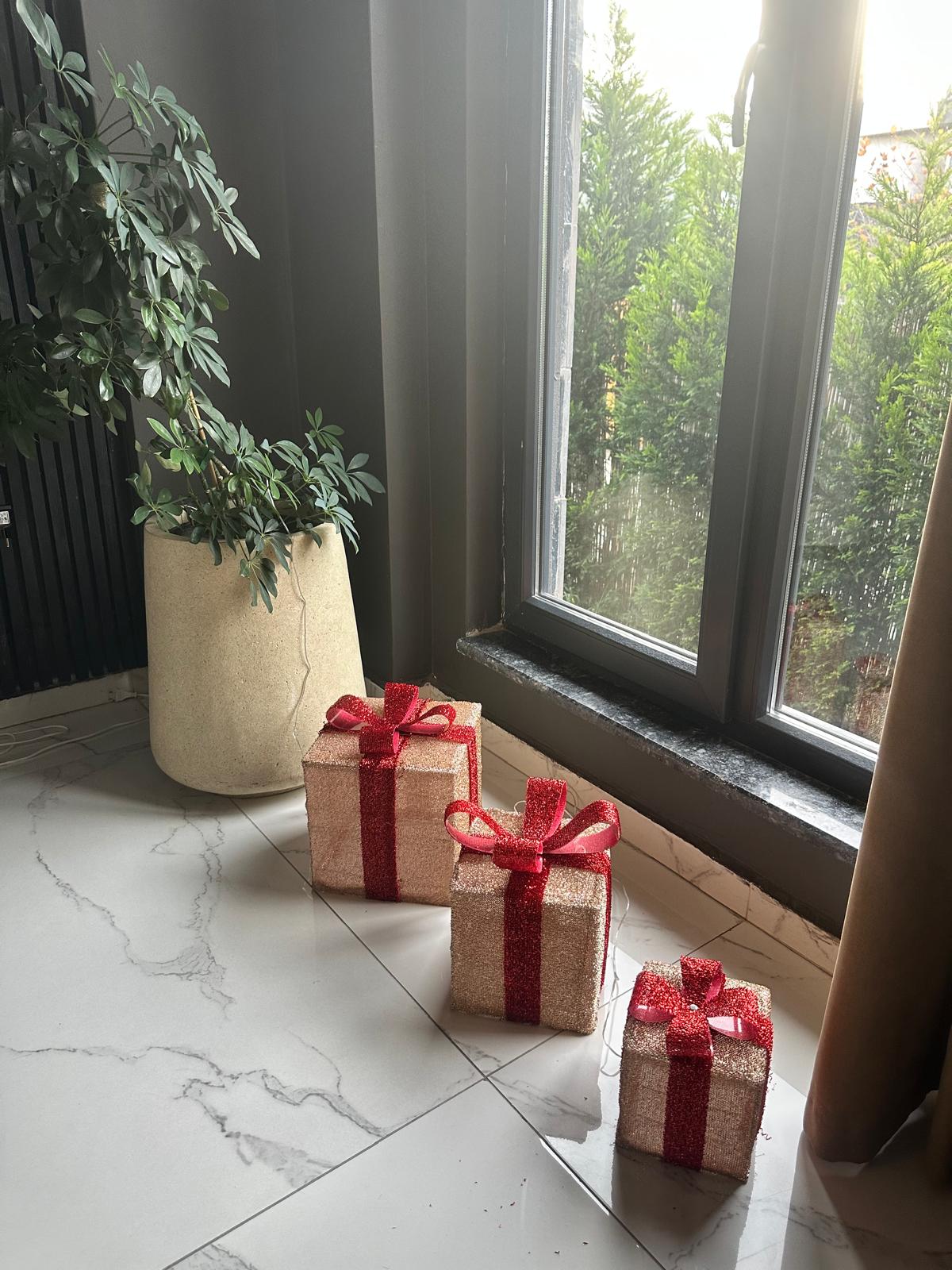
Light is often treated as a practical necessity — something to brighten a room or make tasks easier. Yet long before we register brightness or placement, our bodies respond emotionally to light.
Some people feel energized by open, sunlit spaces. Others instinctively dim the lights as evening approaches, seeking softness and enclosure. These preferences are rarely random. They reflect how we regulate emotion, rest, and focus.
When approached gently, zodiac energy can offer insight into why certain lighting environments feel supportive while others feel draining. Not as prediction, but as emotional inclination.
Light affects circadian rhythm, nervous system response, and emotional regulation. Its intensity, warmth, and consistency shape how safe or alert a space feels over time.
Water signs such as Cancer and Pisces often feel most at ease in softly lit environments. Diffused light, warm tones, and gentle shadows create emotional safety. Harsh or overly bright lighting can feel exposing, making it harder for these energies to relax.
Earth signs like Taurus, Virgo, and Capricorn tend to appreciate stability in lighting. Consistent, warm illumination supports focus and grounding. Sudden changes in brightness or stark contrasts can feel disruptive, even if the space looks visually striking.
Air signs including Gemini, Libra, and Aquarius often respond positively to natural light and openness. Bright, breathable environments help maintain mental clarity. However, when light lacks balance, it can lead to overstimulation rather than focus.
Fire signs such as Leo and Sagittarius are often drawn to light that feels alive. Warm daylight, layered lighting, and subtle highlights support their vitality. When lighting is too dim or flat, spaces may feel restrictive rather than restorative.
These tendencies are not rules to follow, but signals to notice. When lighting choices align with emotional needs, homes feel more intuitive — responding to mood rather than demanding adjustment.
At EVA HOME WORLD, light is considered part of emotional architecture. It is used to support daily rhythm, not to perform visually.
Light does not need to dominate a space to be effective.
When chosen with awareness, it guides emotion gently — helping homes feel awake when needed, and calm when rest is called for.
Often, comfort begins not with more light, but with the right light.



Yorum yazın
Bu site hCaptcha ile korunuyor. Ayrıca bu site için hCaptcha Gizlilik Politikası ve Hizmet Şartları geçerlidir.