
A living space is never neutral.
Even when we are not consciously aware of it, our surroundings continuously influence mood, focus, and emotional regulation.
The human nervous system responds instantly to environmental cues. Light intensity affects alertness. Colors influence emotional tone. Sound levels shape concentration. Scent can trigger calm or restlessness within seconds. Together, these elements quietly guide how we feel and behave inside a space.
When a home feels overwhelming, it often reflects sensory overload. Too many visual elements compete for attention. Sharp contrasts interrupt rest. Artificial lighting strains the eyes. Over time, this creates low-level stress that becomes normalized — until fatigue, irritability, or mental fog appear.
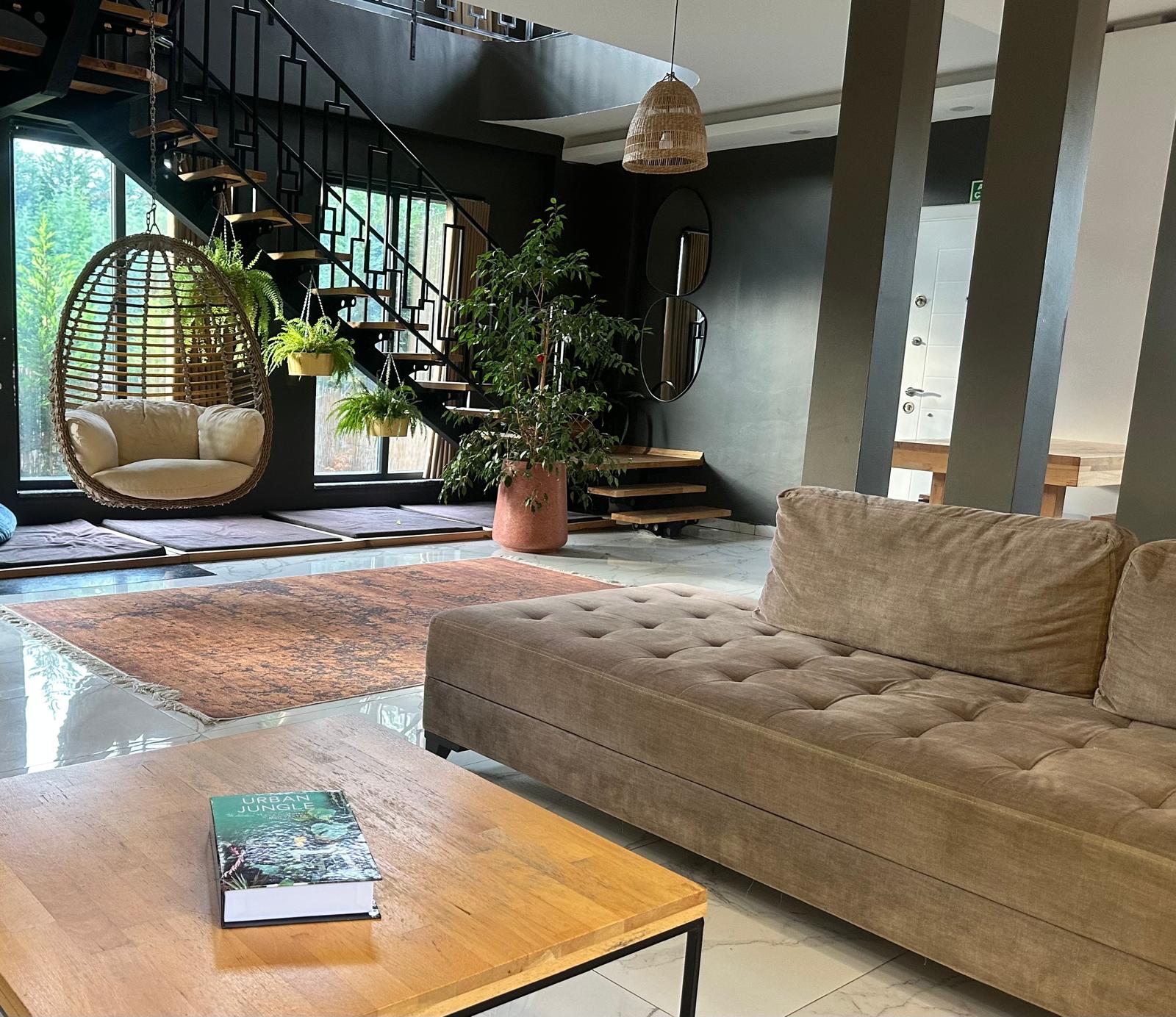
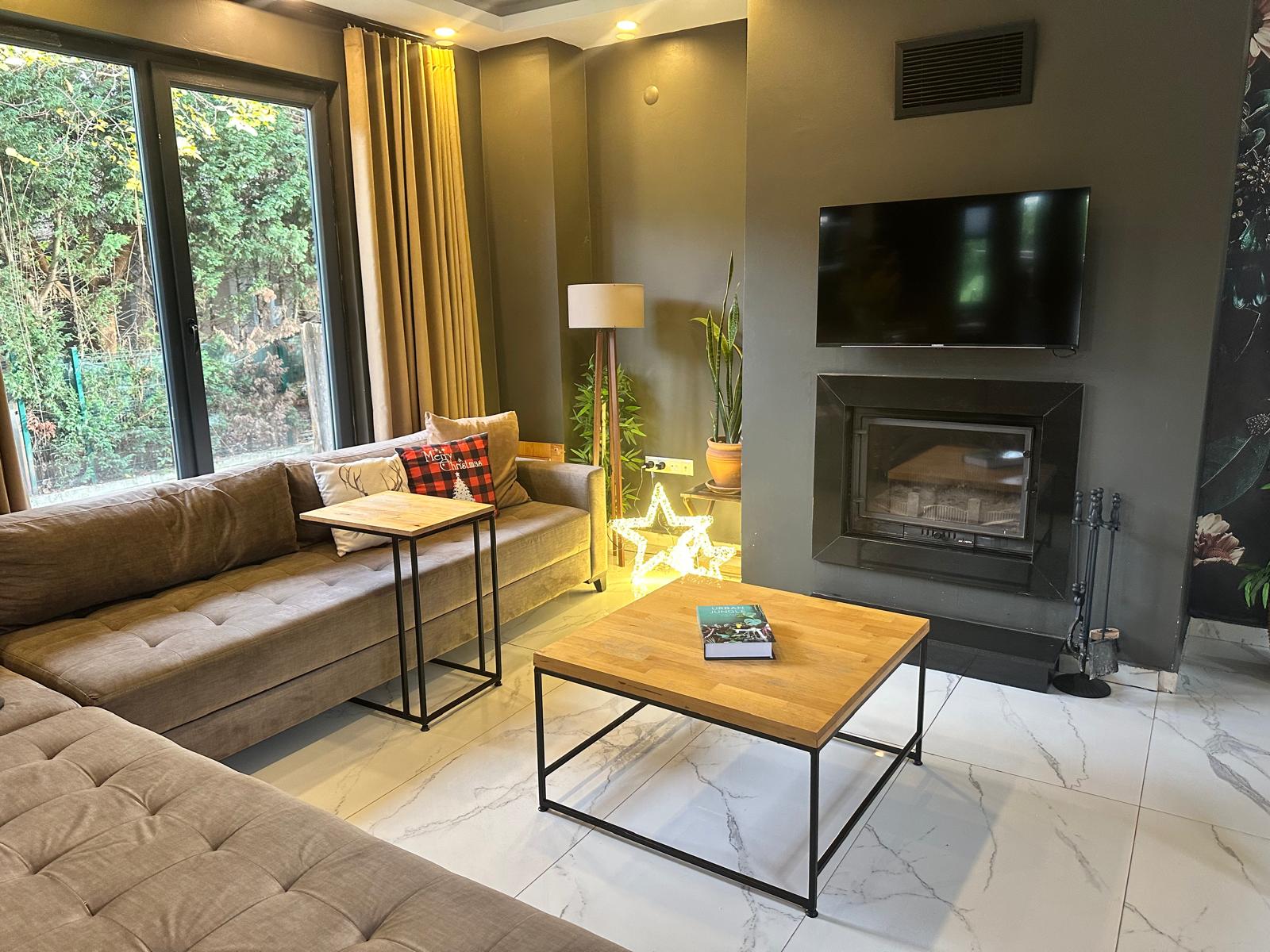
In contrast, balanced living spaces reduce decision fatigue. Soft transitions between colors, natural textures, and intentional negative space allow the mind to settle. Focus improves not because we try harder, but because the environment supports clarity.
Emotional balance is also shaped by familiarity and rhythm. Spaces that feel coherent — where objects have a purpose and placement feels intentional — provide a sense of control and safety. This is especially important during periods of uncertainty, stress, or emotional transition.
A supportive home does not need to be minimal or perfectly styled. It needs to feel aligned.
Aligned with daily habits.
Aligned with emotional needs.
Aligned with the pace of life happening inside it.
Understanding how living spaces influence emotional balance allows us to design homes that do more than function. They participate in well-being, quietly and consistently.


Yorum yazın
Bu site hCaptcha ile korunuyor. Ayrıca bu site için hCaptcha Gizlilik Politikası ve Hizmet Şartları geçerlidir.