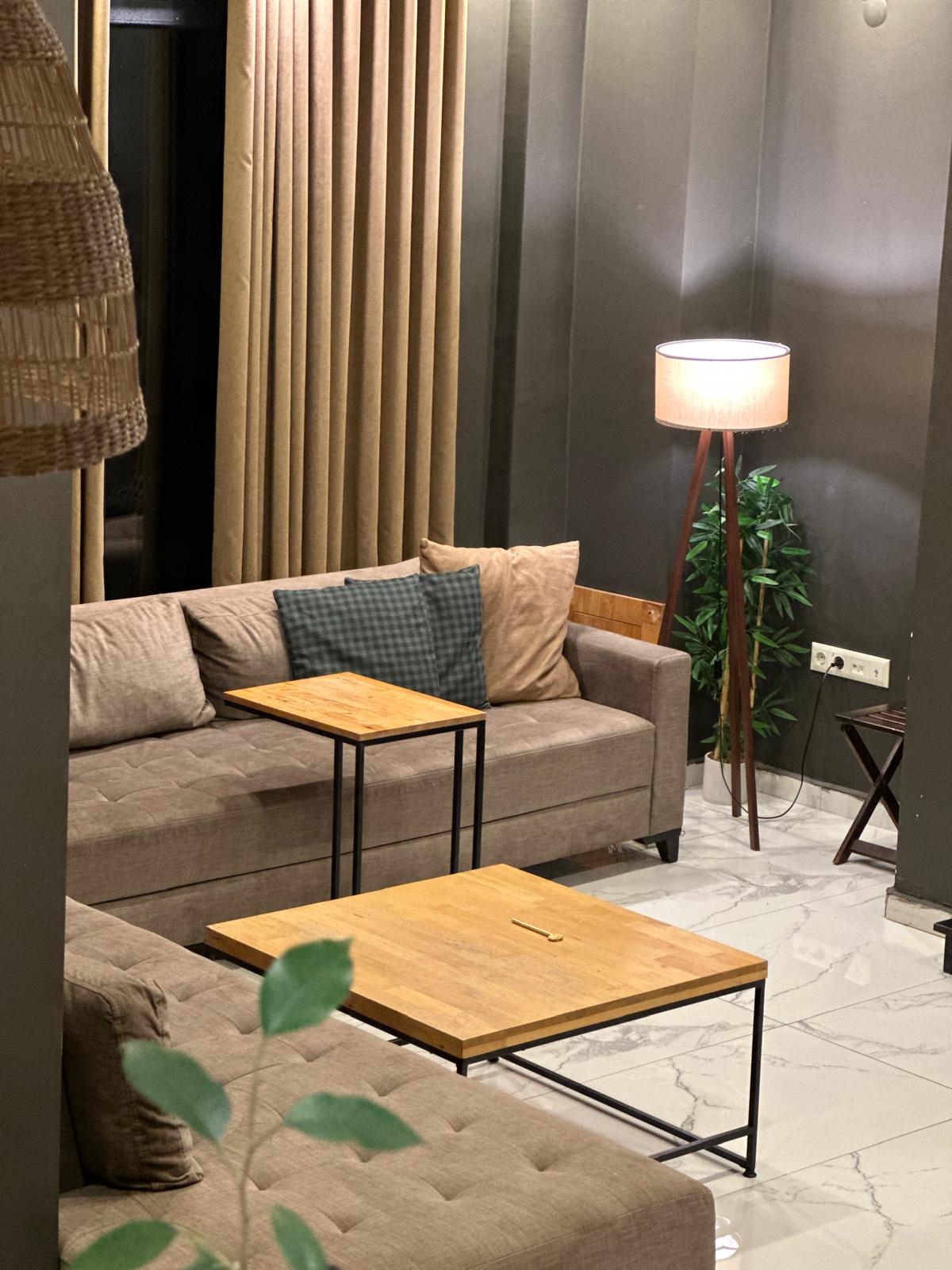
Texture is often noticed last, yet felt first.
Before we consciously register color or shape, the body responds to how a surface feels visually and physically. Smooth, rough, soft, or layered textures quietly shape emotional experience.
A space may look calm, but if its textures feel cold or uninviting, the body remains alert. Conversely, a room with gentle, balanced textures can feel comforting even without obvious design elements.
Understanding texture helps explain why some spaces feel emotionally supportive, while others feel distant despite careful styling.
Texture influences how the body relates to space. Soft, tactile materials invite relaxation by signaling comfort and approachability. Hard, glossy surfaces reflect light and energy, keeping the nervous system slightly more alert.
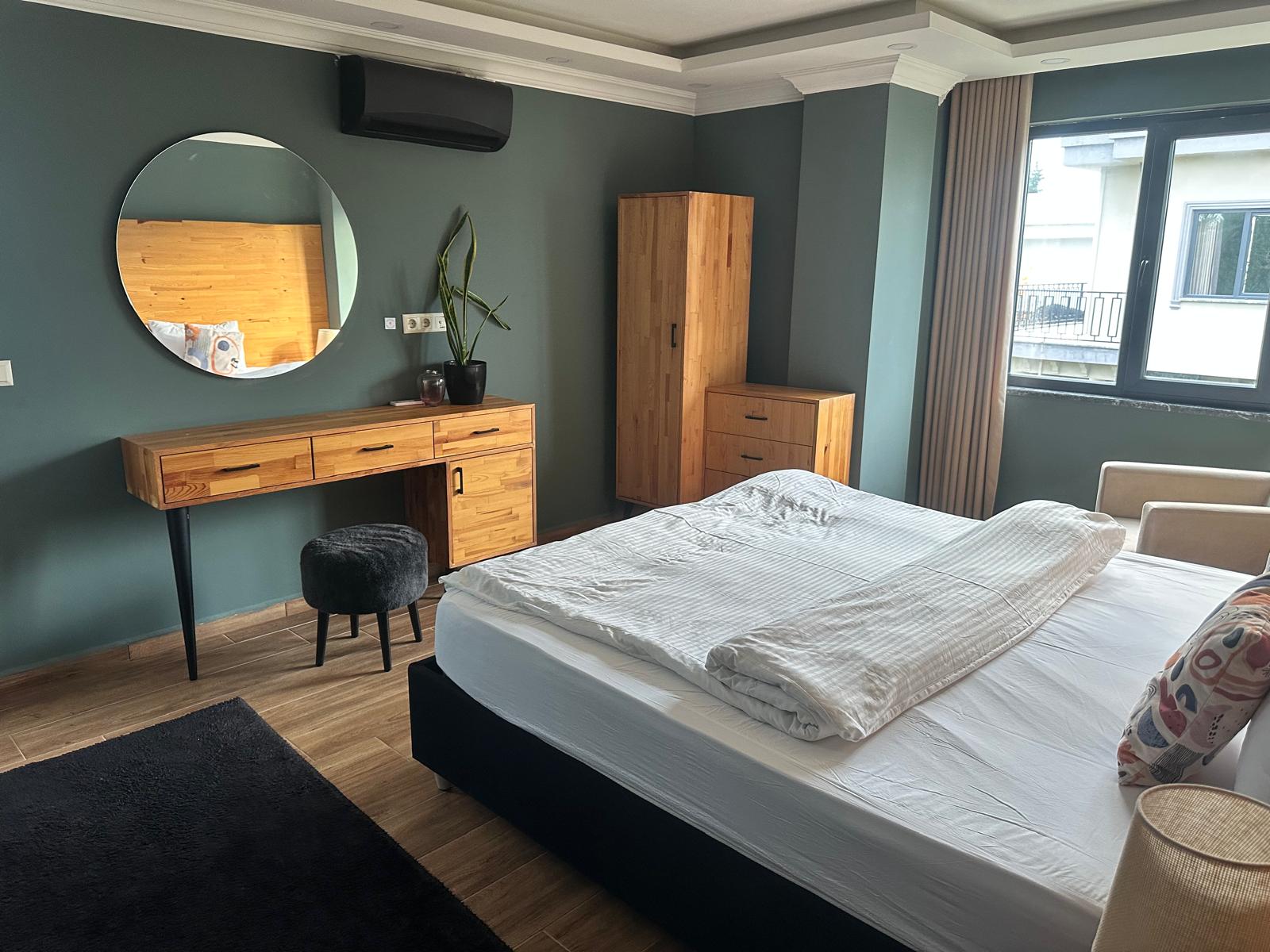
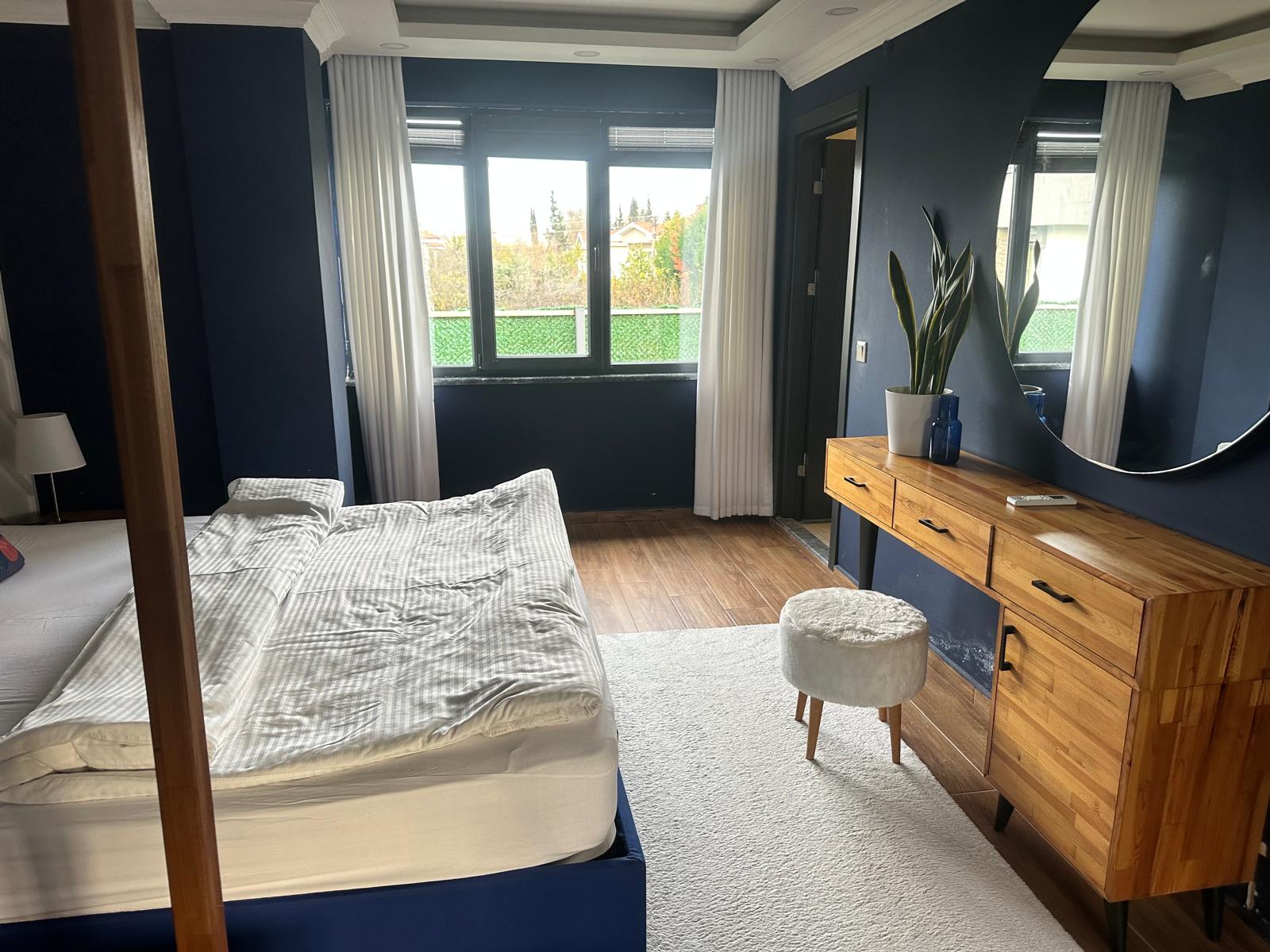
Balanced spaces often combine textures rather than relying on one dominant feel. When soft and firm elements coexist fabric alongside wood, matte beside subtle sheen the environment feels layered and complete. This balance prevents sensory monotony and overstimulation.
Texture also affects emotional pacing. Rough or heavily patterned surfaces draw attention, while smoother textures allow the eye to rest. In living spaces meant for calm, excessive texture contrast can create subtle tension.
Different emotional tendencies respond to texture in nuanced ways.
Water-oriented energies often feel emotionally held by soft, enveloping textures that provide comfort and warmth.
Earth-oriented tendencies connect with natural, grounded textures such as wood, stone, or woven materials that reinforce stability.
Air-oriented energies prefer lighter textures that maintain visual openness and prevent heaviness.
Texture choices also influence how safe a space feels over time. When materials age gently and develop character, they reinforce familiarity rather than disruption. This continuity supports emotional grounding.
At EVA HOME WORLD, texture is approached as part of sensory balance. Materials are chosen not to impress, but to support how a space is lived in quietly and sustainably.
Texture does not demand attention.
It shapes how a space is felt, moment by moment.
When textures are chosen with care, homes become environments where the body relaxes naturally responding to comfort without needing to understand why.


Yorum yazın
Bu site hCaptcha ile korunuyor. Ayrıca bu site için hCaptcha Gizlilik Politikası ve Hizmet Şartları geçerlidir.