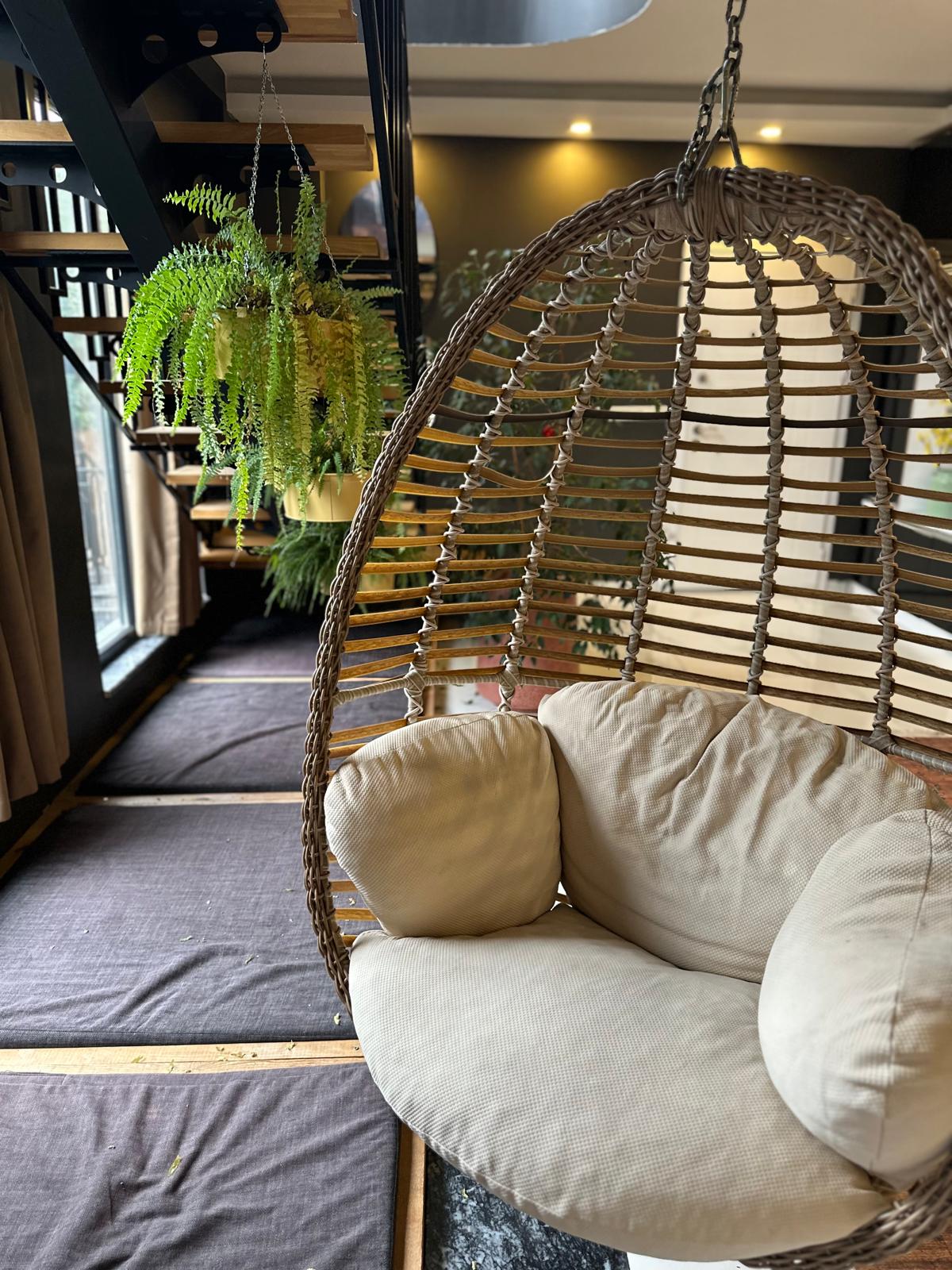
There is a difference between habit and ritual.
Habit happens automatically. Ritual happens intentionally even when it is quiet.
At home, the smallest repeated gestures often carry the greatest emotional weight. The same lamp turned on at dusk. The same cup used each morning. The same pause before sleep. These actions may seem insignificant, yet over time they begin to shape how the body feels inside a space.
Emotional regulation does not begin in moments of crisis. It begins in environments that quietly teach the nervous system what to expect. Home rituals are not decorative. They are regulatory.
The nervous system is constantly scanning for change. Sudden shifts in light, sound, or rhythm increase alertness. Predictability lowers it.
When a ritual repeats lighting a candle at the same hour, sitting in the same corner after work the body begins to associate that action with a specific state. Over time, the ritual itself becomes a cue. Calm is no longer forced. It is triggered.
This dynamic builds on what is explored in How Repetition Builds Emotional Safety in Living Spaces, where consistent patterns reduce vigilance. Ritual deepens that effect by adding meaning to repetition.
Repetition without intention becomes routine. Repetition with intention becomes psychological anchoring.
The body does not need explanation. It needs consistency.
Why Small Rituals Create Emotional Boundaries
Modern life blurs emotional edges. Work enters the living room. Notifications follow us to the bedroom. Without boundaries, emotional residue accumulates.
Ritual creates invisible thresholds.
A short evening reset before dinner. A specific scent introduced only at night. A five-minute pause before opening a laptop. These gestures mark transitions. They tell the body: this moment is different from the last.
This threshold effect connects to what is discussed in How Homes Quiet the Nervous System Without Words, where atmosphere itself regulates tension. Ritual amplifies that quieting by making it deliberate.
Small rituals succeed because they are sustainable. Large lifestyle overhauls often collapse under their own intensity. Subtle repetition builds gradually, creating emotional containment that feels stable rather than restrictive.
Boundaries do not always require walls. Sometimes they require a repeated gesture.
Ritual as Psychological Architecture
Over time, rituals shape identity. They influence how we relate to space and to ourselves.
When the same ritual returns daily, it becomes part of the home’s emotional architecture. Lighting, scent, placement, and repetition begin to cooperate. The atmosphere becomes coherent rather than reactive.
This architecture supports regulation long before stress appears. As explored in Why Emotional Reset Often Begins at Home, environments can absorb daily strain. Ritual ensures that reset is not accidental it is embedded.
Different energy tendencies engage with ritual differently.
Earth-oriented personalities often rely on structured repetition to feel grounded.
Water-oriented energies attach emotional meaning to sensory cues.
Air-oriented types benefit from rituals that create clarity without rigidity.
Ritual is not about control. It is about predictability layered with intention.
At EVA HOME WORLD, ritual is understood as more than ambiance. It is the quiet framework that allows emotional steadiness to endure.
Ritual is not routine.
It is the architecture of emotional safety.
When repeated gently within a home, small acts become structural. They shape atmosphere, regulate the nervous system, and define how calm is sustained over time.
Emotional regulation does not begin with effort.
It begins with repetition that means something.
Related Reading
* How Repetition Builds Emotional Safety in Living Spaces
* How Homes Quiet the Nervous System Without Words
* Why Emotional Reset Often Begins at Home


Yorum yazın
Bu site hCaptcha ile korunuyor. Ayrıca bu site için hCaptcha Gizlilik Politikası ve Hizmet Şartları geçerlidir.