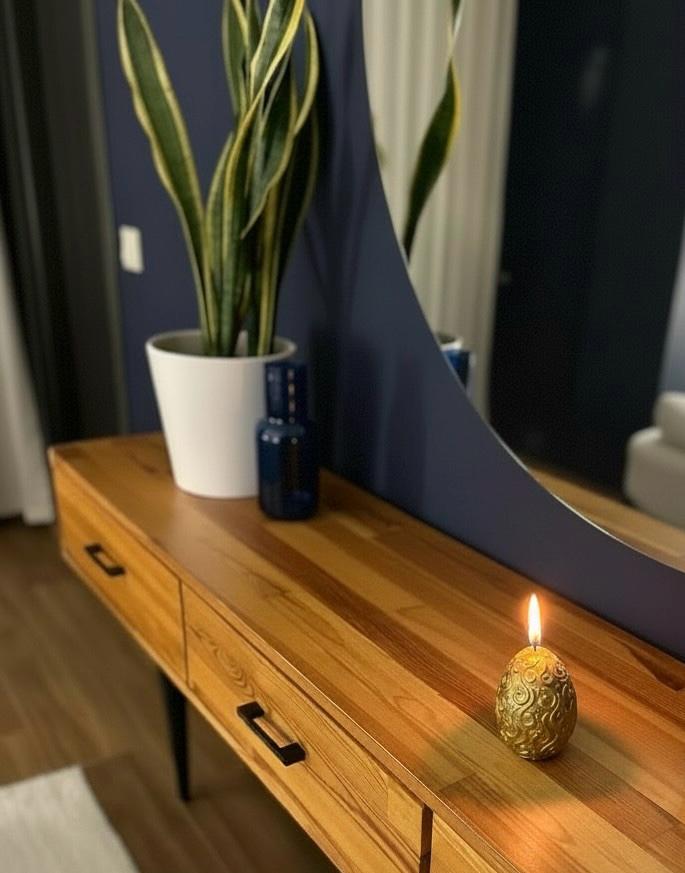
Tenderness is rarely discussed in design.
We speak about style. About minimalism. About luxury. About contrast and balance.
But tenderness is different.
It is not a visual trend.
It is an emotional quality.
Some spaces feel composed.
Some feel impressive.
A few feel tender.
What Makes a Space Feel Tender?
Tenderness is created when intensity is lowered without removing depth.
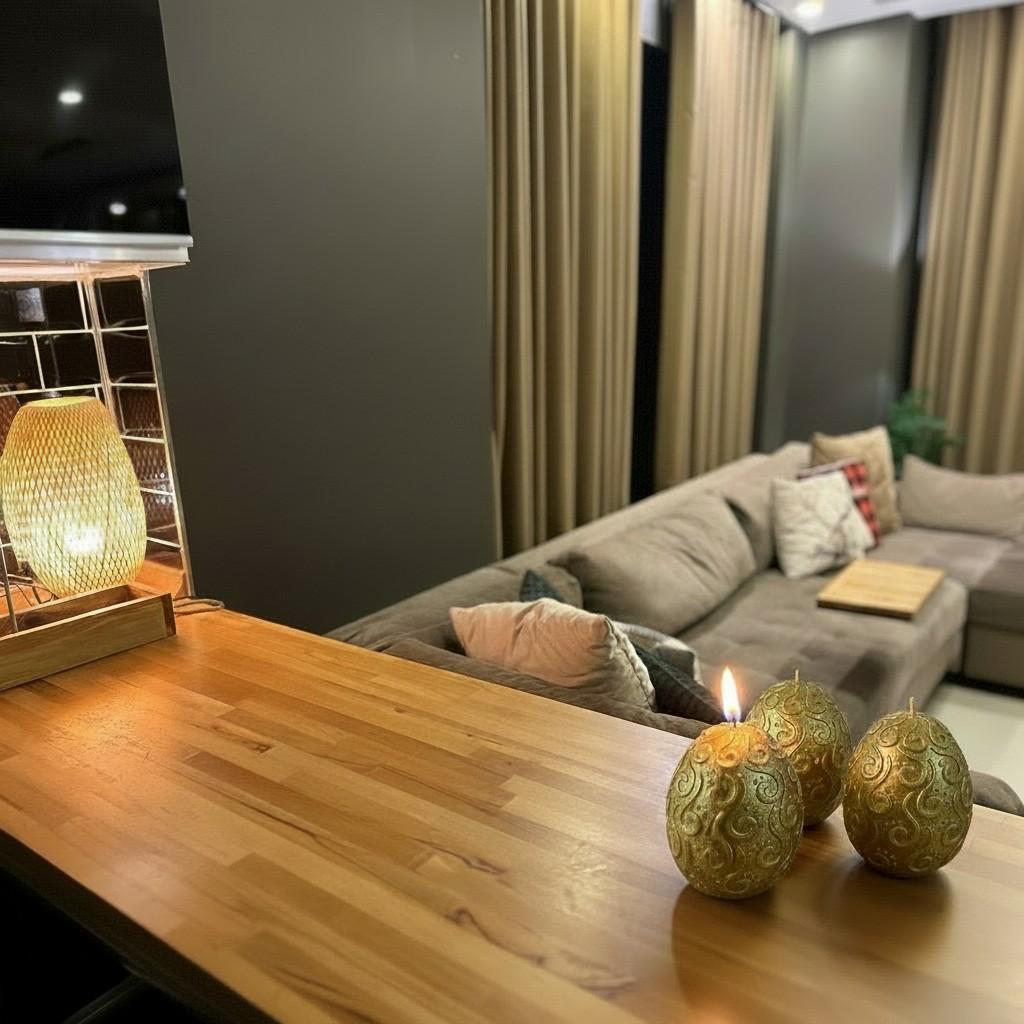
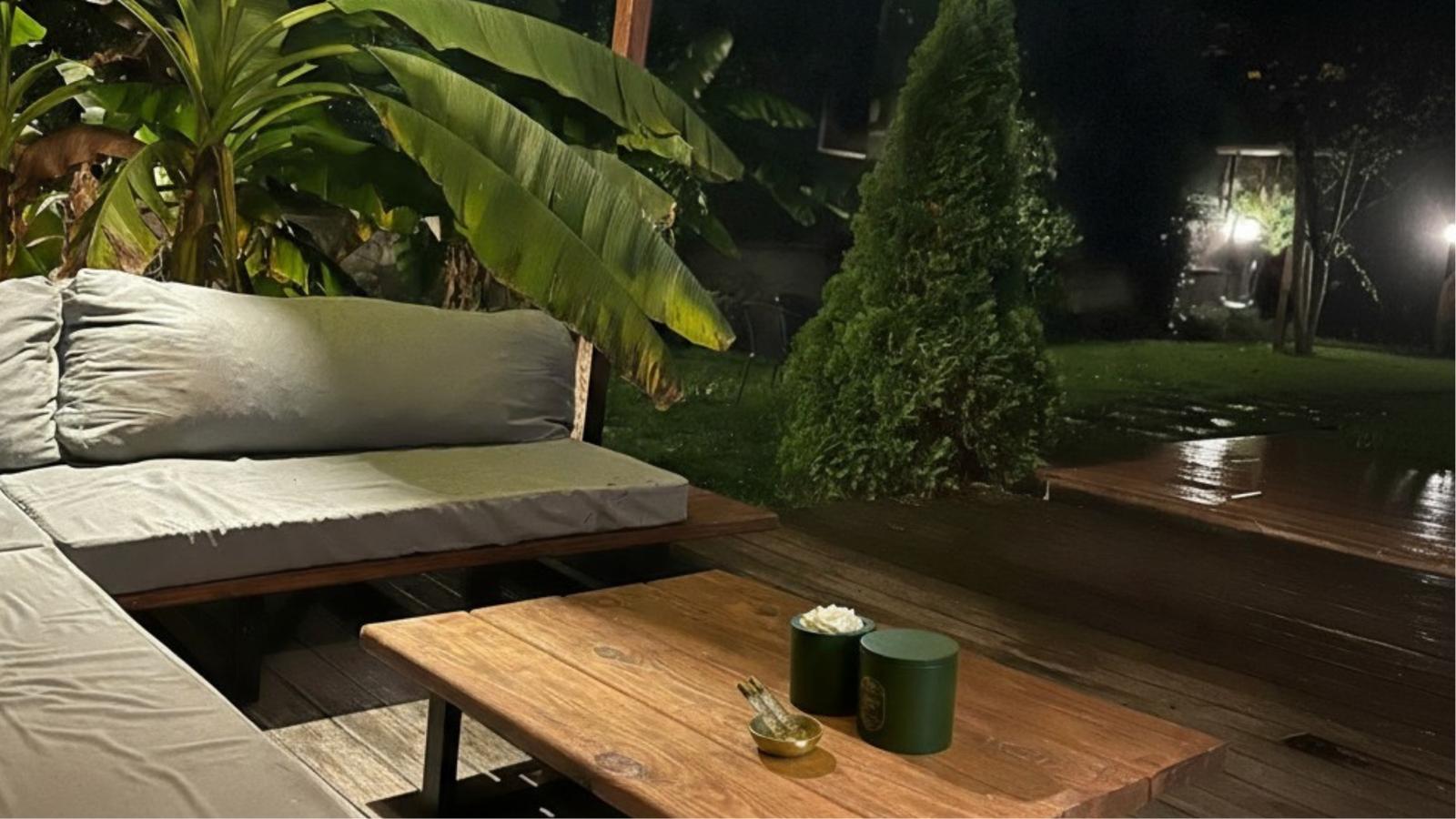
Soft edges. Muted tones. Warm undertones. Diffused light. Breathable fragrance.
These elements reduce emotional friction.
This connects to what is explored in Why Minimal Spaces Still Need Warmth to Feel Emotionally Safe, where structure requires softness to feel complete.
Tenderness is softness with stability.
The Nervous System and Emotional Texture
The nervous system does not respond only to function.
It responds to texture visual and emotional.
Harsh contrast sharpens alertness. Strong scent amplifies presence. Bright light accelerates focus.
Tenderness slows these signals gently.
As discussed in Why Emotional Softness Is a Form of Nervous System Safety, softness emerges when guarding lowers.
Warm floral undertones often support that shift. You can discover the collection here.
Tenderness is not decorative.
It is regulatory.
Interior Atmosphere as Emotional Language
Every interior communicates something.
Structured minimalism communicates control.
High contrast communicates dynamism.
Layered warmth communicates invitation.
Tenderness communicates safety without rigidity.
Earth-oriented personalities often find tenderness through structured softness.
Water-oriented energies resonate deeply with enveloping atmospheres.
Air-oriented types feel calmer when softness reduces overstimulation.
This aligns with principles in Why Atmosphere Matters More Than Decoration in Emotional Well-Being, where atmosphere shapes experience more than objects do.
At EVA HOME WORLD, atmosphere is approached not as styling but as emotional language.
Tenderness cannot be forced.
It is built slowly through light, scent, texture, and rhythm.
It does not draw attention to itself.
It simply allows the nervous system to rest.
And sometimes, that is enough.


Yorum yazın
Bu site hCaptcha ile korunuyor. Ayrıca bu site için hCaptcha Gizlilik Politikası ve Hizmet Şartları geçerlidir.