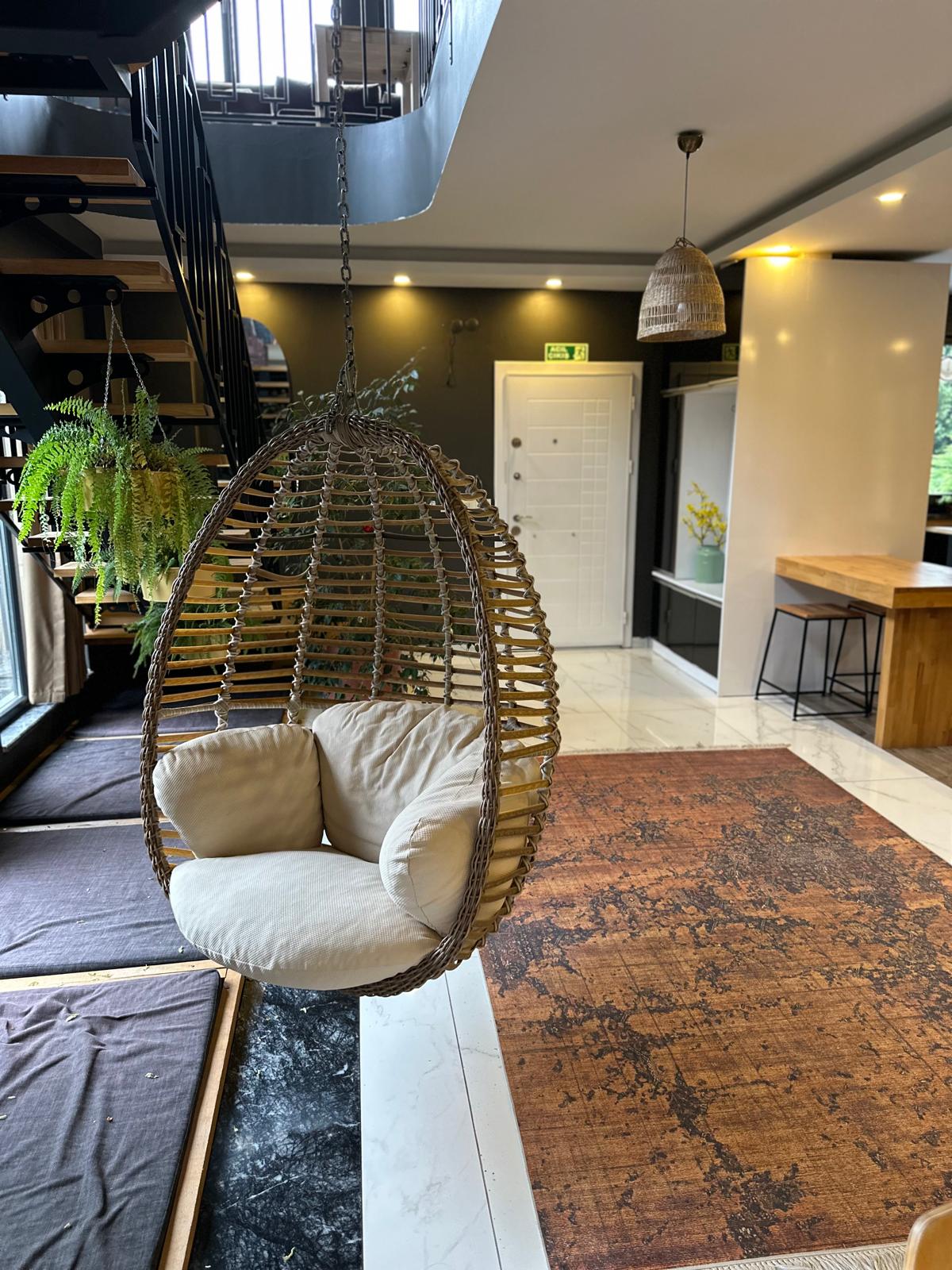
Decoration changes how a space looks.
Atmosphere changes how it feels.
The two are often confused.
A room can be visually impressive and still feel restless. Another can be simple, even minimal, yet feel deeply grounding. What creates the difference is rarely the object itself it is the emotional structure around it.
Atmosphere is not visual excess.
It is emotional coherence.
Beyond Objects: The Invisible Layer
Objects alone do not regulate emotion.
Light direction.
Scent continuity.
Spatial rhythm.
Repeated rituals.
These invisible layers shape how the nervous system responds.
As explored in The Psychology of Home Rituals and Emotional Regulation, repetition builds stability. And as seen in Why Subtle Fragrance Feels More Luxurious Than Strong Scent, sensory restraint reduces overload.
Decoration can impress quickly.
Atmosphere sustains quietly.
Atmosphere as Emotional Architecture
Atmosphere forms when multiple elements align:
Consistent evening lighting that signals closure.
A familiar scent that anchors memory.
Threshold rituals that mark transitions between rooms.
Warm textures that soften minimal structure.
This connects to Why Emotional Transitions Define the Way We Experience Home, where marked shifts reduce emotional spillover.
When these layers work together, the home becomes regulatory.
It stops stimulating.
It begins containing.
Decoration Ages. Atmosphere Deepens.
Trends change.
Colors rotate. Furniture styles evolve.
Atmosphere, however, deepens with time. Especially when built intentionally.
Scent builds continuity across years.
Micro rituals form stability loops.
Light shifts guide daily rhythm.
Earth-oriented personalities often seek structural coherence.
Water-oriented energies prioritize emotional containment.
Air-oriented types feel most balanced when visual clarity supports mental space.
Decoration is visible.
Atmosphere is experiential.
At EVA HOME WORLD, space is approached not as a display but as an emotional environment shaped gradually.
Well-being does not begin with objects.
It begins with rhythm.
When atmosphere is prioritized over decoration, the home stops performing and starts supporting.
Atmosphere is not seen.
It is felt.
Related Reading
* The Psychology of Home Rituals and Emotional Regulation
* Why Subtle Fragrance Feels More Luxurious Than Strong Scent
* Why Emotional Transitions Define the Way We Experience Home


Yorum yazın
Bu site hCaptcha ile korunuyor. Ayrıca bu site için hCaptcha Gizlilik Politikası ve Hizmet Şartları geçerlidir.