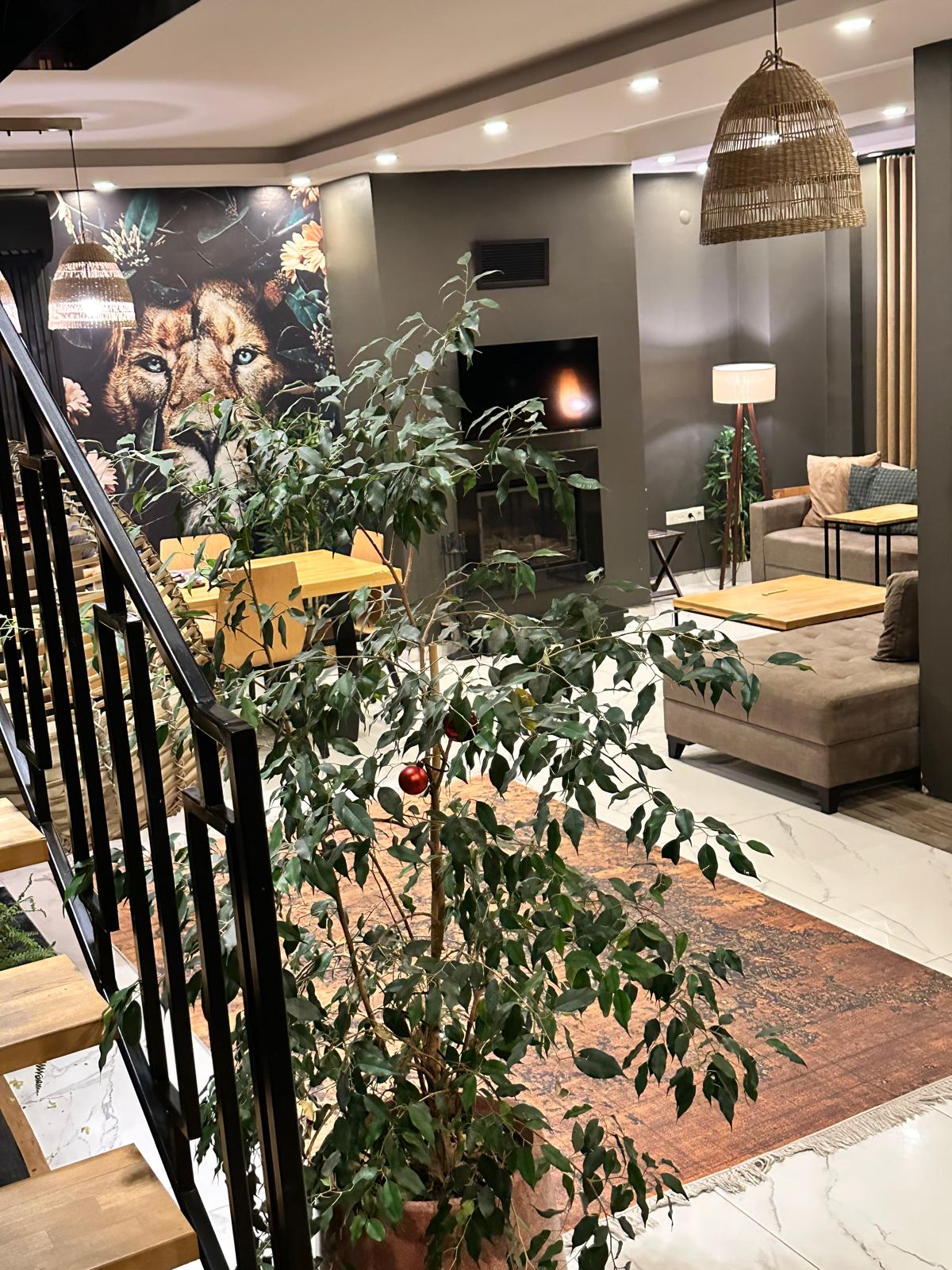
Transitions do not only happen between days.
They happen between rooms.
The shift from kitchen to living room. From workspace to bedroom. From conversation to solitude. These movements seem ordinary, yet each carries emotional tone.
Without awareness, emotional states follow us unfiltered from one space to another.
Thresholds are often invisible.
But they are powerful.
The Psychology of Spatial Shifts
Every room carries expectation.
A workspace signals focus. A bedroom signals rest. A dining area signals interaction. When we move between them without pause, the nervous system carries the previous state forward.
This reflects what is explored in Why Emotional Transitions Define the Way We Experience Home, where unmarked transitions delay regulation.
The body needs micro-closure even between rooms.
Ritual as a Boundary Marker
A small threshold ritual can mark emotional separation.
It may be as simple as:
Touching the doorframe lightly.
Turning off one light before entering another room.
Taking one slow breath before sitting down.
These gestures mirror what is discussed in How Micro Rituals Create Nervous System Stability Over Time, where repetition forms regulatory loops.
When the same micro-action repeats at the same threshold, the body learns to reset automatically.
Movement becomes structured.
Preventing Emotional Spillover
Without threshold rituals, emotional states spill.
Work tension enters the bedroom. Social energy follows into solitude. Mental stimulation continues in rest spaces.
This connects to Why Workday Fatigue Is Often Emotional, Not Physical, where unclosed loops increase internal load.
Threshold rituals create separation without rigidity.
Earth-oriented personalities often respond well to structured spatial boundaries.
Water-oriented energies benefit from sensory cues like softer light when entering rest areas.
Air-oriented types regulate when visual transitions are clear and uncluttered.
The goal is not interruption.
It is flow.
At EVA HOME WORLD, space is understood as layered rhythm each room carrying its own emotional function.
Emotional balance does not only depend on what we do.
It depends on how we move.
When small threshold rituals mark transitions between rooms, emotional flow becomes smoother.
Calm is often a matter of pacing.


Yorum yazın
Bu site hCaptcha ile korunuyor. Ayrıca bu site için hCaptcha Gizlilik Politikası ve Hizmet Şartları geçerlidir.