Stillness is often misunderstood as the absence of activity.
In reality, stillness is a quality — a state in which a space allows pause, reflection, and emotional grounding.
Well-balanced homes are not silent or empty. They are environments where movement and rest coexist without friction. Stillness appears in the spaces between actions: the pause after closing a door, the calm after a conversation, the moment of quiet before sleep.
This quality is shaped by design choices, but more importantly, by how a space is used. Homes filled with constant stimulation — visual noise, persistent sound, uninterrupted activity — leave little room for emotional processing. Over time, this absence of stillness can create subtle exhaustion.
Stillness supports regulation. When a home offers moments of visual and sensory rest, the nervous system recalibrates naturally. Breathing deepens. Thoughts slow. Presence becomes accessible again.
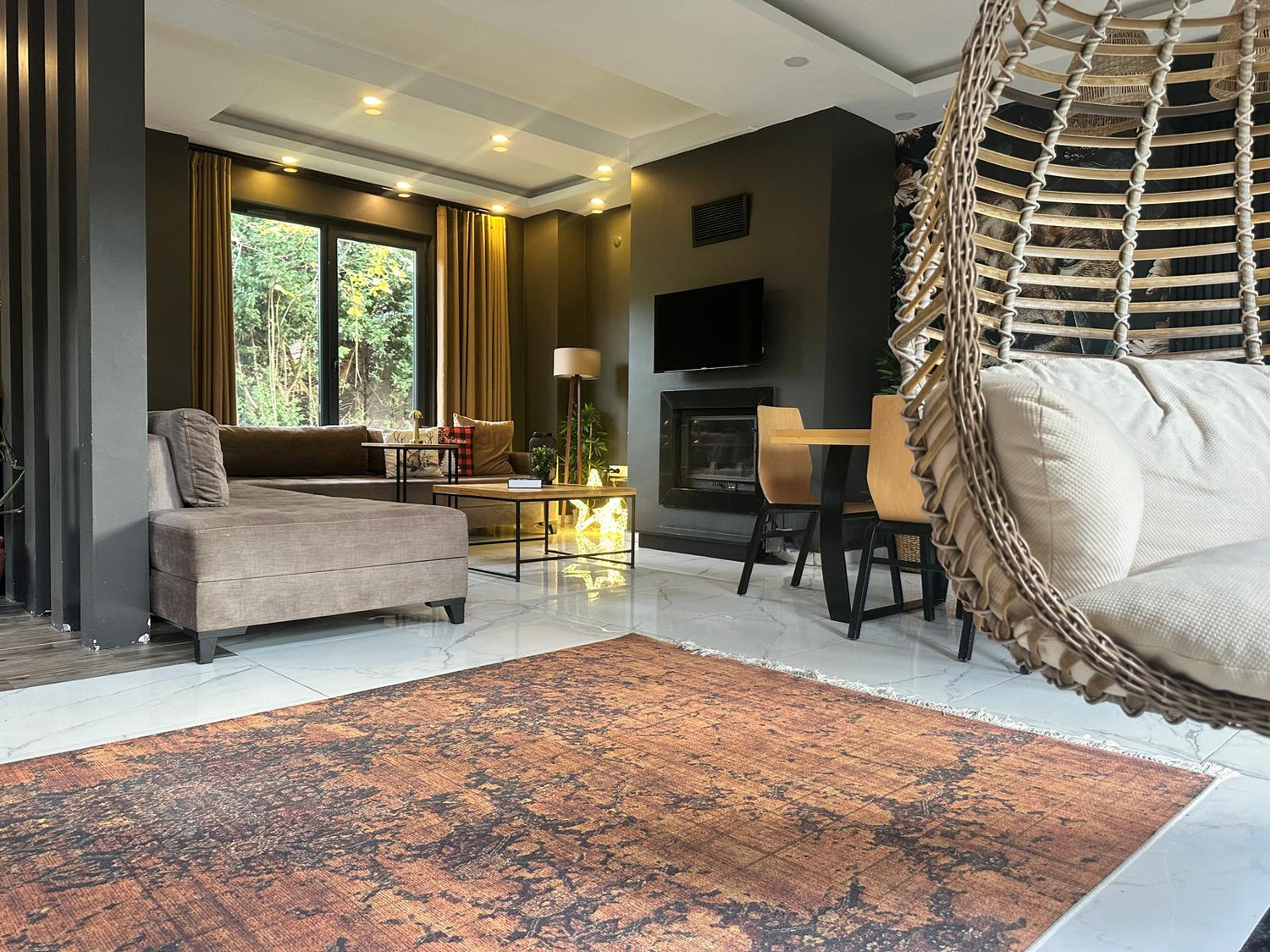
Physical elements can support this relationship. Soft textures absorb sound. Neutral colors reduce visual demand. Gentle lighting allows the eyes to rest. These choices create an environment where stillness is invited rather than enforced.
Equally important is rhythm. Homes that follow natural cycles — light and dark, activity and rest — feel more balanced. Stillness emerges organically when the space respects these transitions.
A well-balanced home does not eliminate life’s energy.
It holds it gently.
By allowing room for stillness, living spaces become places where balance is not sought — it is felt.


Yorum yazın
Bu site hCaptcha ile korunuyor. Ayrıca bu site için hCaptcha Gizlilik Politikası ve Hizmet Şartları geçerlidir.