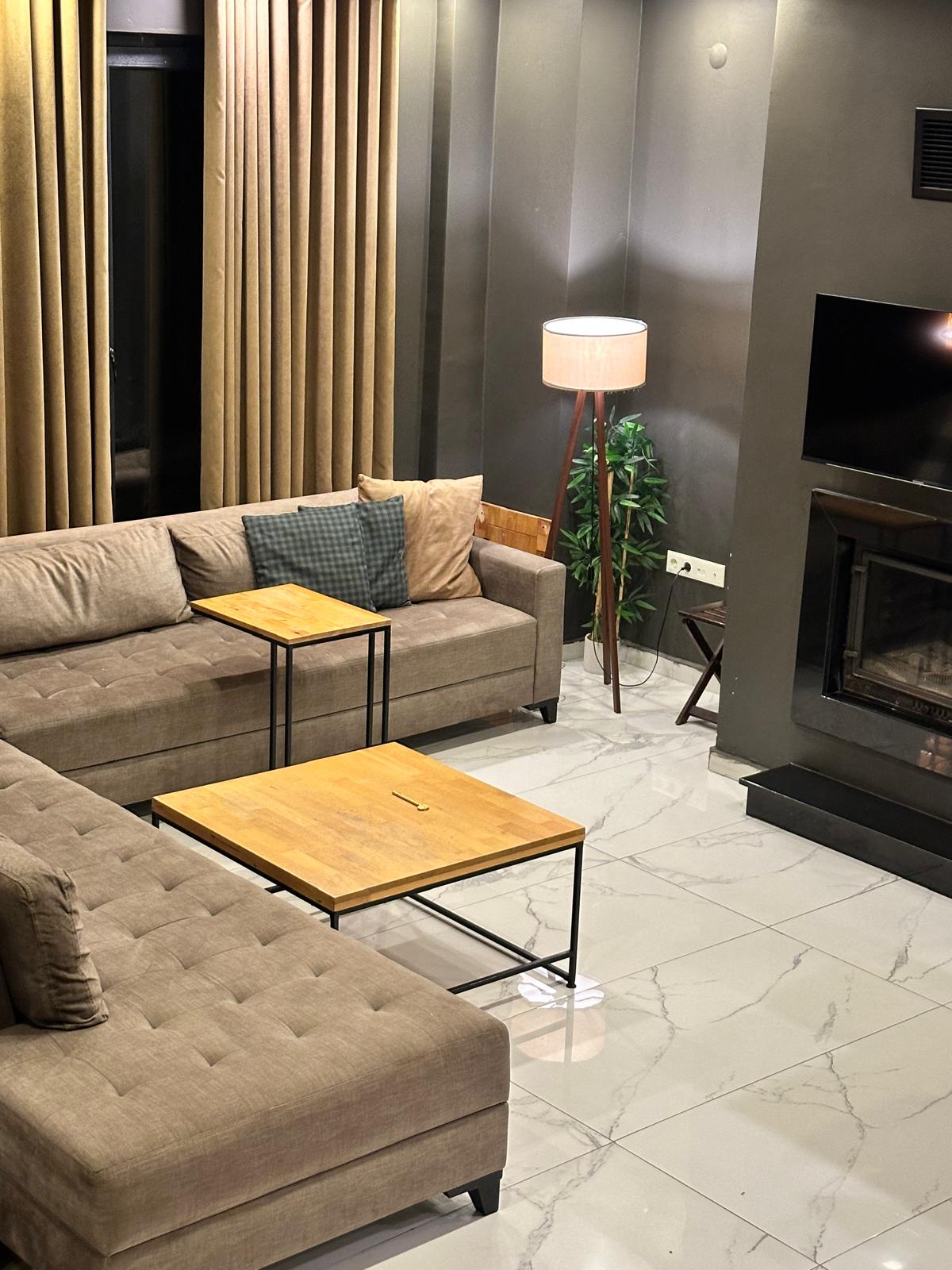
Homes are often described through rooms, furniture, or style.
Yet what makes a space feel familiar, comforting, or heavy is rarely visible. Homes carry emotional memory — formed slowly, through repetition, presence, and lived experience.
Everyday moments leave subtle traces. Morning light through the same window. Conversations held in familiar corners. Silence after a long day. Over time, these experiences shape how a space feels, even when nothing changes on the surface.
This emotional memory is not stored in objects alone. It is carried through atmosphere. The way a room feels upon entering. The ease or tension the body senses instinctively. These responses form without conscious thought.
Spaces that have witnessed care, rest, and intentional living tend to feel supportive. Those shaped by constant stress or neglect may feel unsettled, even when well designed. This explains why two visually similar homes can feel entirely different.
Emotional memory also explains attachment. Leaving a home is often difficult not because of the physical structure, but because of what the space holds emotionally. The body remembers how it was supported there.
Creating a home that holds positive emotional memory does not require perfection. It requires awareness.
Moments of presence.
Rituals of care.
Consistency in how a space is lived in.
Over time, these choices shape a home that does more than shelter.
It becomes a place that remembers us — gently, quietly, and without demand.


Yorum yazın
Bu site hCaptcha ile korunuyor. Ayrıca bu site için hCaptcha Gizlilik Politikası ve Hizmet Şartları geçerlidir.