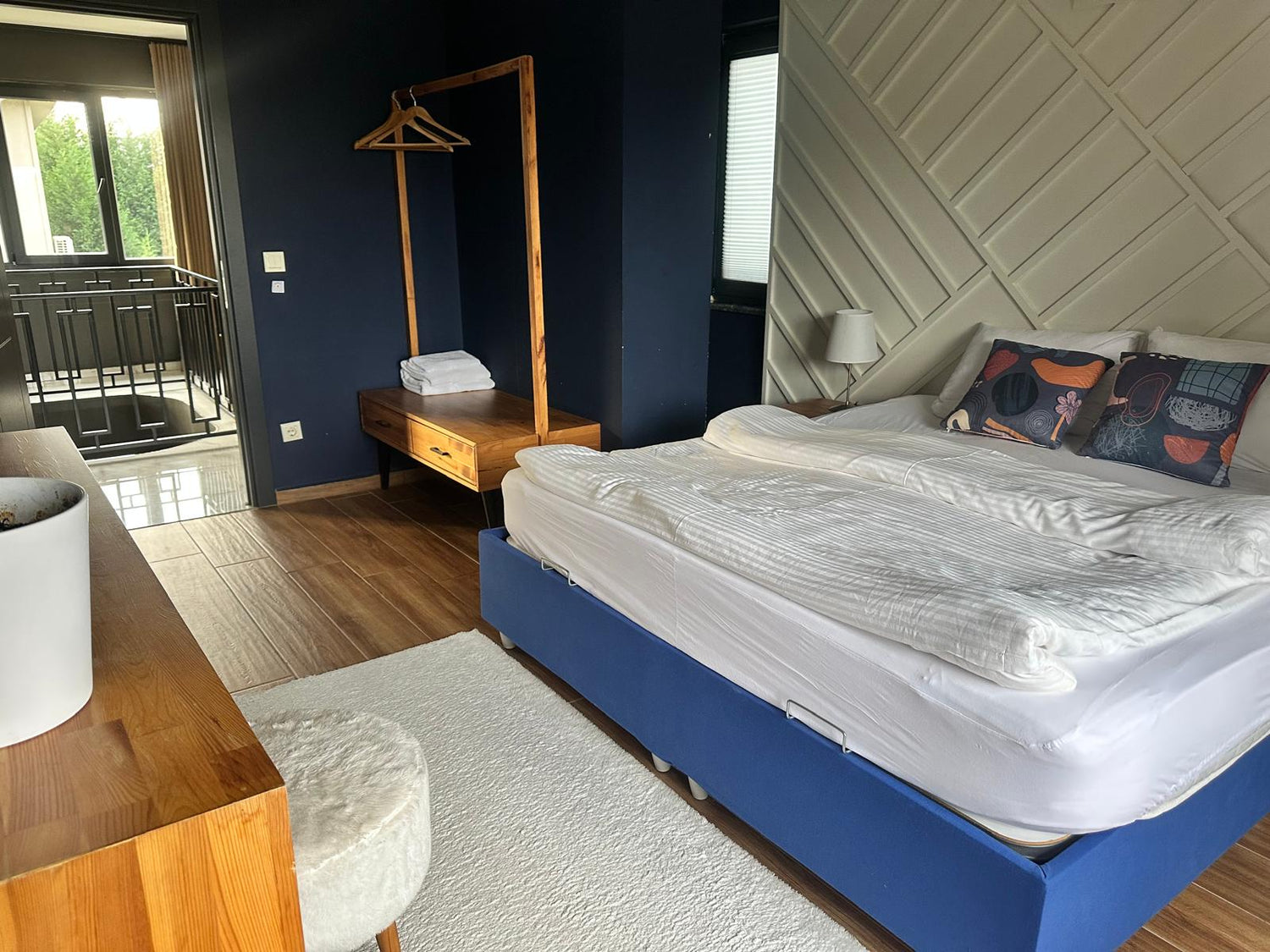
Sometimes a room looks complete, yet something feels missing.
Other times, a single object enters the space and everything suddenly settles. This shift is subtle, but unmistakable.
Objects do more than fill space. They influence how a room feels emotionally. Certain pieces seem to ground a space immediately, while others create quiet tension — even when they are visually appealing.
This response is not about style or trend. It is about presence. Some objects carry weight, intention, and balance, allowing a room to feel held rather than crowded.
Objects interact with space through form, texture, and meaning. When an item feels intentional, the eye rests on it differently. The body responds with ease rather than alertness.
Handcrafted or thoughtfully chosen objects often anchor a room’s energy. Their imperfections, materials, and tactile quality create a sense of authenticity. This is why they tend to feel warmer and more grounding than mass-produced pieces designed only for visual impact.
Earth-leaning energy types, such as Virgo and Capricorn, often respond strongly to objects that feel purposeful and stable. For them, an object that has weight — visually or materially — creates emotional reassurance. The room feels ordered without feeling rigid.
Air-oriented tendencies like Libra may feel more sensitive to visual clutter. For them, a single well-placed object often works better than many small elements competing for attention. Balance, spacing, and proportion matter as much as the object itself.
Water signs such as Cancer often form emotional bonds with objects over time. A piece becomes meaningful not because of how it looks, but because of where it has been and what it has witnessed. These objects quietly hold memory, contributing to a sense of belonging.
Objects that disrupt a room’s energy often do so by demanding attention. When too many pieces speak at once, the space loses coherence. Calm rooms tend to feature fewer objects with clearer purpose.
At EVA HOME WORLD, objects are approached as quiet companions within a space. They are not meant to dominate, but to support atmosphere — grounding a room emotionally rather than decorating it loudly.
The right object does not announce itself.
It settles.
When chosen with intention, objects become part of the room’s emotional structure — holding space gently, without needing to be explained.


Yorum yazın
Bu site hCaptcha ile korunuyor. Ayrıca bu site için hCaptcha Gizlilik Politikası ve Hizmet Şartları geçerlidir.