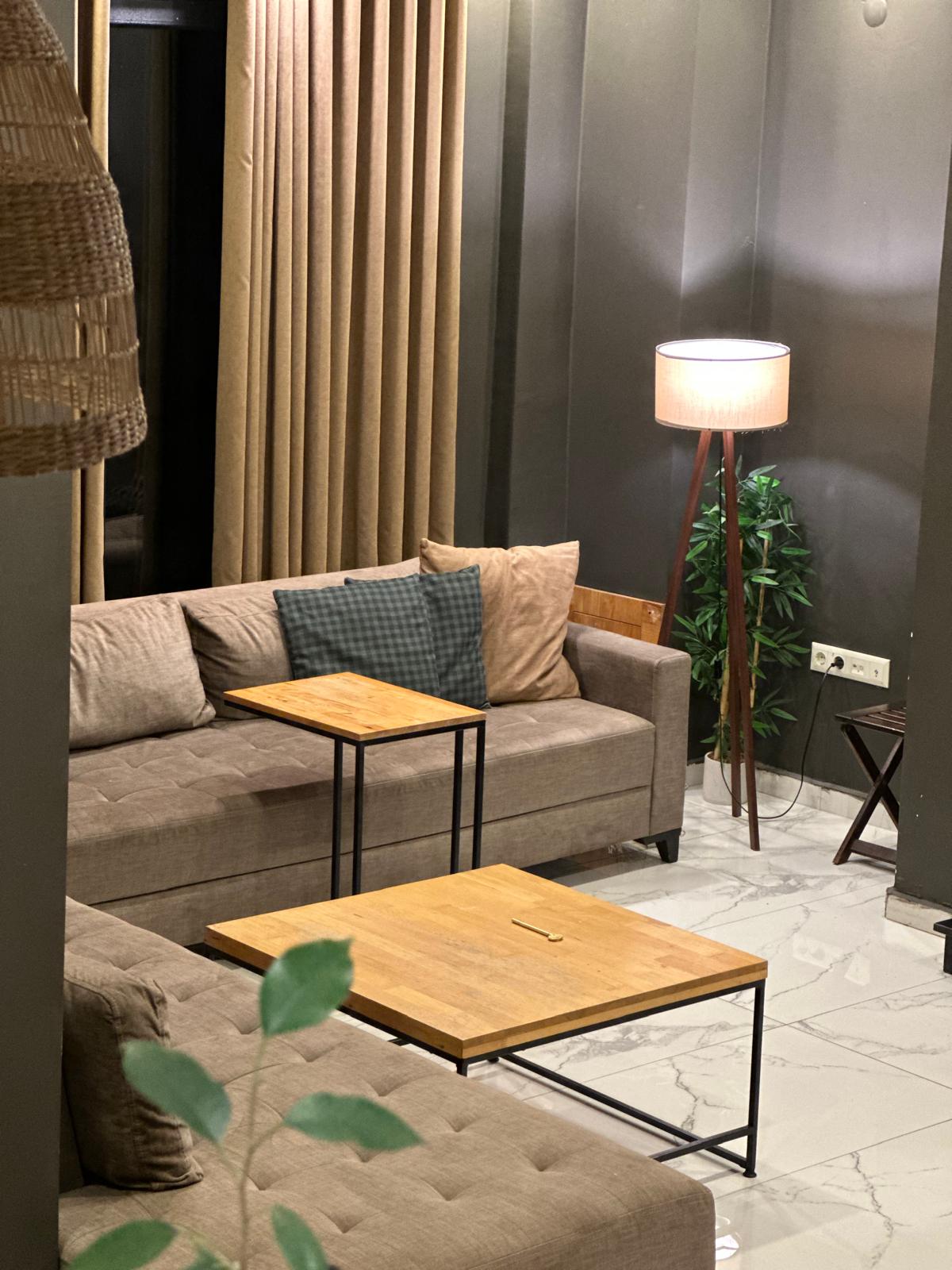
Large changes feel impressive.
Small rituals feel sustainable.
When emotional imbalance appears, the instinct is often to redesign everything at once a new routine, a new schedule, a new version of ourselves. Yet dramatic shifts rarely last. They demand energy before stability has been rebuilt.
Small rituals work differently. They do not overwhelm the nervous system. They introduce calm gradually.
The Nervous System Prefers Predictability
Big lifestyle changes require adaptation. Adaptation demands alertness. Even positive change increases internal stimulation.
Small rituals, however, introduce minimal threat. Lighting the same lamp each evening. Pausing for five minutes before dinner. Sitting in the same chair after work. These gestures are non-disruptive.
As explored in The Psychology of Home Rituals and Emotional Regulation, repetition with intention builds safety. When the body recognizes a ritual, it does not resist it.
Large change asks for transformation.
Small ritual offers containment.
Emotional Identity Builds Gradually
Identity does not shift through declaration. It shifts through repetition.
When a small ritual repeats daily, it begins to shape emotional identity. A person who lights a candle each evening becomes someone who values pause. A person who dims lights at a certain hour becomes someone who respects rhythm.
This gradual architecture echoes what is discussed in Why Emotional Residue Builds Up During the Day, where accumulated tension requires gentle release. Small rituals provide that release without adding pressure.
They feel safer because they are sustainable.
Why Overhauls Often Fail
Dramatic lifestyle changes demand consistency before the nervous system feels secure. Without emotional scaffolding, new systems collapse under their own intensity.
In contrast, small rituals layer stability quietly. Over time, they reshape atmosphere and internal pace. They build what is described in Why Emotional Reset Often Begins at Home a space that absorbs rather than amplifies stress.
Different energy tendencies respond differently to change.
Earth-oriented personalities often prefer structured but incremental shifts.
Water-oriented energies benefit from emotionally meaningful gestures.
Air-oriented types may initiate big ideas but regulate best through small anchoring actions.
Ritual succeeds because it does not shock the system.
At EVA HOME WORLD, change is approached as layering rather than replacing. Stability grows from repetition, not reinvention.
Big change may look transformative.
Small ritual feels sustainable.
Emotional safety is rarely built through intensity. It is built through gestures repeated long enough to become structure.
Calm grows quietly.
Related Reading
* The Psychology of Home Rituals and Emotional Regulation
* Why Emotional Residue Builds Up During the Day
* Why Emotional Reset Often Begins at Home


Yorum yazın
Bu site hCaptcha ile korunuyor. Ayrıca bu site için hCaptcha Gizlilik Politikası ve Hizmet Şartları geçerlidir.