
Light does more than illuminate a room.
It calibrates emotion.
The same space can feel sharp and exposed under bright overhead lighting yet contained and safe under softened glow. At night, this difference becomes even more pronounced.
Soft lighting does not simply dim the room. It changes perception.
The Nervous System and Visual Intensity
During the day, bright light supports alertness. It increases clarity and supports cognitive performance. But at night, intensity maintains stimulation.
Harsh lighting signals activity. It tells the nervous system to remain engaged.
In contrast, softened light lowers contrast and reduces visual demand. This subtle shift echoes what is explored in How Homes Quiet the Nervous System Without Words, where coherence reduces vigilance.
When visual input decreases, internal pace slows.
Emotional Containment Through Atmosphere
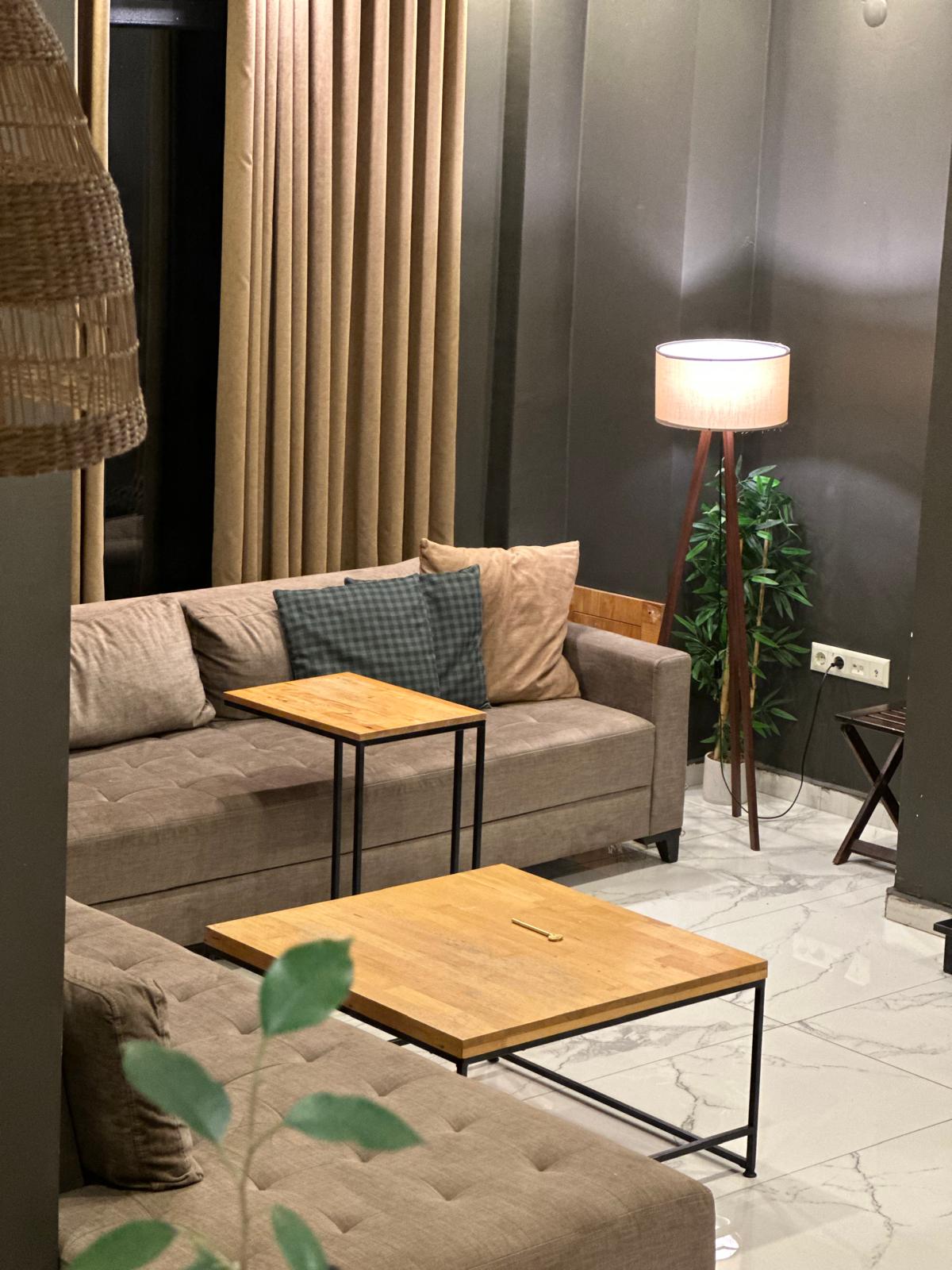
Soft lighting narrows focus. It creates contained pockets within a larger space. Corners feel intentional rather than exposed. Surfaces appear warmer. Shadows soften edges.
This visual containment supports what is described in The Psychology of Decompression After Work, where the body requires gradual transition rather than abrupt shutdown.
Lighting becomes a threshold marker.
A lamp turned on at the same hour each evening can function as ritual. As discussed in The Psychology of Home Rituals and Emotional Regulation, repetition builds emotional architecture. When light becomes part of that repetition, regulation accelerates.
Atmosphere is rarely built through objects alone. It is built through how those objects are revealed.
Why Night Requires a Different Language
Night changes perception even without environmental shifts. The body anticipates rest. But if lighting remains daytime-bright, emotional pace lingers.
Soft lighting communicates permission to slow.
Earth-oriented personalities often respond to predictable lighting patterns that reinforce stability.
Water-oriented energies soften when light feels enveloping rather than exposed.
Air-oriented types regulate faster when visual clutter is reduced through gentle illumination.
The change does not need to be dramatic. It needs to be consistent.
At EVA HOME WORLD, atmosphere is approached as regulation through restraint. Light is part of that restraint.
Soft lighting does not merely change what we see.
It changes how we feel inside what we see.
At night, perception shapes regulation.
And regulation begins with gentler edges.
Related Reading
* How Homes Quiet the Nervous System Without Words
* The Psychology of Decompression After Work
* The Psychology of Home Rituals and Emotional Regulation


Yorum yazın
Bu site hCaptcha ile korunuyor. Ayrıca bu site için hCaptcha Gizlilik Politikası ve Hizmet Şartları geçerlidir.